Greyhound Welfare and Racing Regulations
 Available in US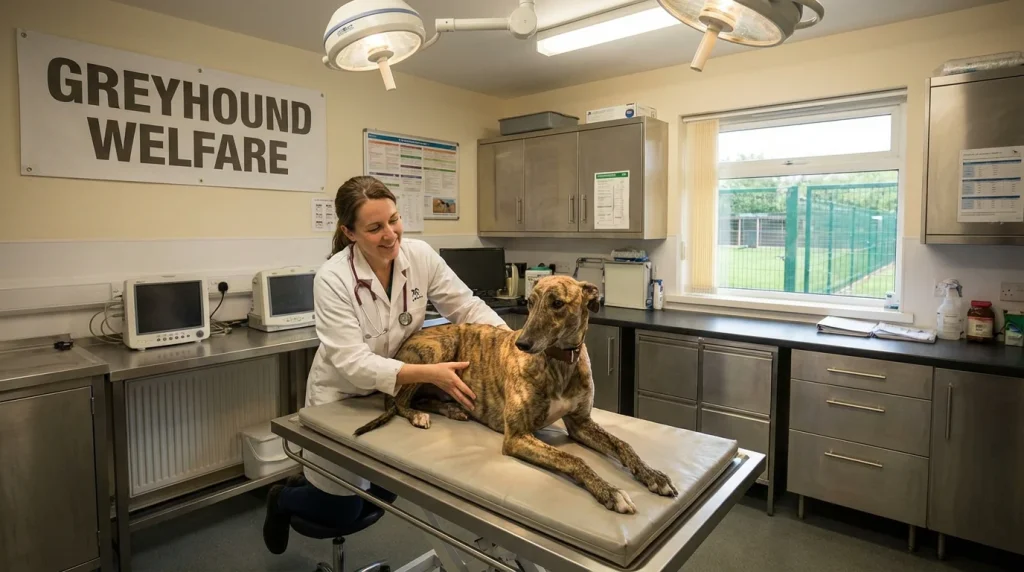
Welfare and Regulation: What Every Bettor Should Understand
Greyhound welfare is the issue that determines whether the sport has a future. If you bet on dogs, you should know how the industry is regulated and what protections exist. This isn’t a peripheral concern for punters — it’s a central one. The regulatory framework governs the integrity of the racing you bet on, the health of the animals you’re watching, and the public legitimacy of the sport that generates your betting markets. A punter who understands the welfare landscape is a more informed participant in the sport, not just a more ethical one. Stay informed at dogracingbettinguk.
UK greyhound racing operates under a regulatory structure that has strengthened significantly over the past two decades. Mandatory welfare standards, independent oversight, injury reporting, and rehoming programmes now form part of the sport’s operational framework. The system is imperfect — critics argue that reforms have not gone far enough, and welfare incidents still occur — but the direction of travel is clear, and the current framework represents a substantial improvement on the standards that prevailed a generation ago.
The GBGB: How UK Greyhound Racing Is Governed
The Greyhound Board of Great Britain regulates the registered sector — 18 tracks (GBGB Racecourses), approximately 880 licensed trainers, and around 8,000 dogs registered as active racers annually. The GBGB sets the rules of racing, licenses tracks and trainers, employs stewards to oversee meetings, and administers the grading and regulatory systems that structure the sport.
The rules of racing cover every aspect of the competitive programme: grading, race conditions, starting procedures, drug testing, identification, and disciplinary processes. Stewards attend every licensed meeting and have the authority to investigate irregularities, disqualify runners, and refer cases to the GBGB’s disciplinary committee. Random drug testing is conducted on runners at all meetings, with prohibited substances leading to disqualification and penalties for the trainer.
The GBGB’s regulatory authority applies only to its licensed tracks. Historically, a parallel sector of independent (unlicensed) tracks operated outside GBGB jurisdiction, without the same welfare standards or oversight. The relevance of this distinction has diminished in recent years — the last independent track in England closed in 2025, effectively ending the unregulated sector — but it remains important for understanding the welfare landscape and the reforms that addressed it.
Funding for the GBGB comes primarily from the bookmaking industry through the BAGS mechanism and from levies on licensed tracks. The board publishes annual reports covering racing statistics, welfare outcomes, and financial performance, providing a degree of transparency about the sport’s governance that is available to any interested punter or member of the public.
Welfare Standards: Injury Reporting, Veterinary Care, Track Safety
The 2010 Welfare of Racing Greyhounds Regulations (legislation.gov.uk), introduced by the UK government, established a statutory framework for greyhound welfare in registered racing. The regulations require all licensed tracks to meet specified standards for track safety, kennelling conditions, veterinary provision, and injury reporting. Compliance is monitored through independent inspections and GBGB oversight.
Every licensed track must have a qualified veterinary surgeon present at every meeting. The vet examines dogs before and after racing, provides immediate treatment for injuries sustained during races, and has the authority to withdraw a dog from competition if it is unfit to race. This mandatory veterinary presence is a fundamental welfare safeguard and applies to every BAGS meeting and evening card at every licensed track.
Injury reporting is mandatory and centralised. Every injury sustained by a racing greyhound at a licensed track — from minor strains to serious fractures — must be recorded and reported to the GBGB. This data is compiled into annual injury statistics that are published and used to identify patterns, assess track safety, and guide improvements in surface management, trap design, and race conditions. The injury reporting system provides a level of transparency that allows welfare trends to be monitored over time.
Track safety standards cover the racing surface, bend geometry, trap mechanisms, hare systems, and safety rails. Tracks are inspected regularly, and the GBGB can require modifications or suspend racing at venues that fail to meet the required standards. Surface maintenance — harrowing between races, sand replenishment, drainage management — is both a welfare requirement and a factor that affects racing conditions and, by extension, betting outcomes.
Life After Racing: Retirement and Rehoming
The GBGB records that the vast majority of retired racing greyhounds are now rehomed through recognised channels. The retirement and rehoming infrastructure has expanded substantially over the past two decades, driven by both regulatory requirements and the efforts of dedicated rehoming organisations.
The Greyhound Trust — formerly known as the Retired Greyhound Trust (greyhoundtrust.org.uk) — is the sport’s primary rehoming charity, funded partly by the industry and partly by donations. The Greyhound Trust operates regional branches across the UK and places thousands of retired greyhounds into domestic homes each year. Breed-specific rescue organisations and independent rehoming groups supplement the Trust’s work, and many trainers also rehome dogs directly through their own networks.
Traceability is a key element of the current system. Every registered racing greyhound is microchipped and tracked through its racing career. When a dog retires from racing, the trainer is required to notify the GBGB and record the dog’s destination — whether it is rehomed, retained by the trainer, or transferred to a rehoming organisation. This traceability requirement means that retired greyhounds cannot simply disappear from the system without a recorded outcome, closing a gap that existed in previous decades.
The adoption of retired greyhounds as pets has become a visible and positive aspect of the sport’s public image. Greyhounds are typically gentle, low-energy dogs that adapt well to domestic life, and the rehoming organisations actively promote them as family pets. For punters, the rehoming dimension adds a tangible connection to the welfare of the animals they bet on — several rehoming organisations welcome enquiries from racing enthusiasts interested in adopting a retired runner.
Independent Racing: The Unregulated Sector
The last independent track in England closed in 2025, ending a sector that had operated without central regulation or licensing. Independent tracks — also known as “flapping” tracks — were not governed by the GBGB, did not observe its welfare standards, and did not contribute to its funding or regulatory structures. They operated outside the licensed system, with their own rules, their own standards, and their own economic model.
The independent sector’s closure simplifies the welfare picture. All organised greyhound racing in England now takes place under GBGB regulation, which means a single set of welfare standards applies across the entire sport. This consolidation removes the ambiguity that previously existed, where the registered sector’s reforms could be undermined by the continued operation of unregulated venues with lower standards. Also read our legal information.
Informed Betting: Welfare Awareness as Part of the Punter’s Responsibility
Betting on greyhounds means participating in an industry with real animals. Understanding welfare isn’t optional — it’s part of being an informed participant. The regulatory framework exists to protect the dogs, and the punter who understands that framework has a more complete picture of the sport they’re betting on. The dogs that run in your evening’s races are athletes managed under a set of rules designed to protect their health and ensure their welfare after retirement. Knowing those rules, supporting the organisations that implement them, and holding the industry to its stated standards is the responsibility that comes with the entertainment.
