History of Greyhound Racing in the UK
 Available in US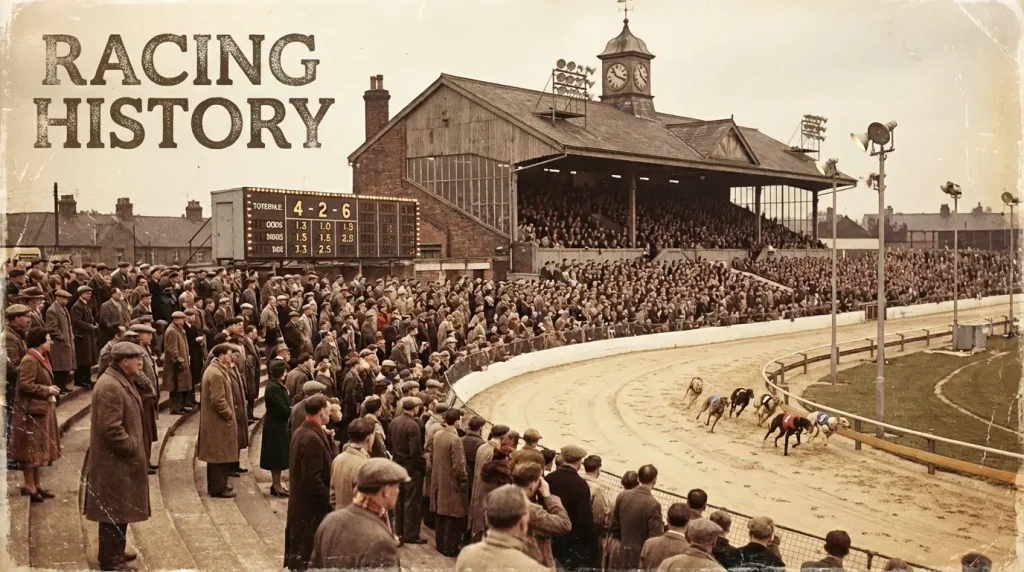
From Belle Vue to Betting Apps: A Century of British Dog Racing
On 24 July 1926, 1,700 spectators watched seven greyhounds chase an electric hare around an oval track in Manchester. The venue was Belle Vue, the event was the first organised greyhound meeting in Britain, and the sport it launched would become one of the country’s most popular forms of entertainment within three years. A century later, the sport they started is still running — transformed beyond recognition, contracted from seventy stadiums to eighteen, but alive in a form that its founders could never have imagined. Learn more about the sport at dogracingbettinguk.
The history of greyhound racing in the UK is a story of explosive growth, cultural significance, economic pressure, and stubborn survival. It mirrors the broader social history of working-class leisure in Britain, and understanding how the sport evolved from a Manchester novelty into a national institution — and then contracted into a niche betting product — provides context that enriches any bettor’s appreciation of the dogs.
The Birth of Oval Track Racing: 1926–1939
The American entrepreneur Owen Patrick Smith had invented the mechanical lure in 1912 (GREY2K USA), and coursing with artificial hares had been trialled in the United States throughout the 1920s. Charles Munn, an American businessman (GBGB Racing Legends), saw the potential and brought the concept across the Atlantic. He partnered with Major Lyne Dixson and a group of investors to stage the first British meeting at Belle Vue on that July evening in 1926.
The sport’s growth was immediate and astonishing. Within a year of Belle Vue, over forty tracks had opened across Britain. By 1927, the Greyhound Racing Association (GRA) had been formed, the White City in London was staging regular meetings to huge crowds, and the sport was attracting millions of spectators annually. In 1929, attendance across licensed tracks reached 16 million — a figure achieved within three years of the first race. Nothing in British sporting history had grown so fast.
The pre-war era produced the sport’s first genuine celebrity: Mick the Miller, an Irish-bred brindle who won the English Greyhound Derby in 1929 and 1930 and became a household name. Mick the Miller appeared in a feature film, was exhibited at the Natural History Museum after his death in 1939, and became the public face of greyhound racing during its early years. No individual greyhound before or since has achieved the same cultural recognition.
The appeal was straightforward. Greyhound racing was accessible, affordable, and exciting. Meetings were held in the evenings, after working hours, at stadiums in urban centres close to the communities they served. The races were short, the betting was simple, and the atmosphere was social. A night at the dogs cost less than a football match or a trip to the theatre, and it offered something those alternatives didn’t: the chance to bet legally and repeatedly throughout the evening, with a race every fifteen minutes. For the working class in inter-war Britain, greyhound racing was the ideal entertainment — cheap, fast, and participatory.
The Golden Age: 1940s–1960s
Greyhound racing reached its peak in the years immediately following the Second World War. In 1946, attendance hit around 70 million total across all tracks — both the 77 licensed stadiums and the 200-plus independent (flapping) venues that operated outside the regulatory framework (Greyhound Racing UK). This was a figure never surpassed. Post-war Britain was hungry for entertainment and social activity, and the dogs provided both. Rationing was still in effect, austerity was the national mood, but the greyhound stadiums were full, the Tote windows were busy, and the sport was embedded in the social fabric of urban Britain.
The Betting and Gaming Act 1960 (legislation.gov.uk) changed the landscape permanently. By legalising betting shops — the first of which opened in May 1961 — the Act allowed punters to bet on greyhounds without attending the track. This was initially seen as complementary — more betting revenue from more outlets — but over time, it eroded the primary reason many people attended meetings. Why go to the track when you could place the same bet from a shop on the high street? The decline in live attendance began gradually but steadily, and the economic model that depended on gate receipts and on-course betting started to fray.
Decline and Closure: 1970s to 2010s
The contraction of UK greyhound racing from over seventy licensed tracks to under twenty is one of the most dramatic declines in British sporting history. The closures accelerated from the 1970s onward, driven by a combination of falling attendance, rising property values, changing entertainment habits, and the absence of a statutory funding mechanism comparable to the levy that supports horse racing.
The most iconic closures hit London hardest. White City closed in 1984. Wembley — long associated with the St Leger — shut in December 1998. Wimbledon, the last licensed greyhound track in London, closed in March 2017 after years of campaigns to save it (Towcester Racecourse – The Derby). Each closure removed not just a racing venue but a community institution, a place where generations of families had spent their evenings and where local economies had grown up around the weekly meetings.
The economics were stark. Greyhound stadium land in urban areas was worth vastly more as housing or retail development than it was as a sporting venue. Track owners, many of them property companies, faced a simple financial calculation: sell the land for millions or continue operating a racing business with declining margins. In most cases, the property value won. The sport contracted to the tracks that were economically viable — either because they were in lower-value locations, because they had secured BAGS funding, or because their ownership was committed to racing as a going concern.
The Modern Era: 18 Tracks and a Digital Future
UK greyhound racing in 2026 operates across 18 GBGB-licensed tracks (GBGB Racecourses). The sport is funded primarily by the BAGS mechanism — bookmakers paying tracks to stage racing that supplies content for betting shops and online platforms — and by online betting revenue. Live attendance is a fraction of the golden-age numbers, but the total amount bet on greyhound racing remains substantial, driven by online and in-shop wagering rather than on-course activity.
Towcester has become the sport’s premier venue, hosting the English Greyhound Derby and other Category One events. The track emerged as the flagship after the closure of Wimbledon left the Derby without a London home, and its modern facilities and attractive Northamptonshire setting provide a different experience from the urban stadiums of the past.
Welfare reform has been a defining feature of the modern era. The 2010 Welfare of Racing Greyhounds Regulations (legislation.gov.uk) introduced mandatory injury reporting, on-track veterinary requirements, and retirement traceability. The GBGB publishes annual welfare reports and has invested in rehoming programmes. These reforms have addressed many of the criticisms that had damaged the sport’s public image, though welfare concerns remain a subject of debate and ongoing attention.
Digital transformation has reshaped how the sport is consumed. Live streaming, online betting, data services, and mobile apps have made greyhound racing more accessible than ever to punters who never attend a track. The sport’s audience has shifted from live spectators to remote bettors — a change that mirrors broader trends in sports consumption but has particular significance for a sport that was built on the atmosphere of the stadium experience. Also read our greyhound welfare rules.
Still Running: Why the Dogs Endure
A hundred years after Belle Vue, greyhound racing survives because it offers something no other sport can: a fast, simple, and unpredictable betting event every fifteen minutes, every day of the year. That product — frequent, accessible, endlessly renewable — is what bookmakers need, what punters want, and what keeps the remaining tracks in business. The sport’s form has changed beyond recognition since 1926. Its essence has not. Six dogs, one hare, one oval, one result. The simplicity that drew 1,700 spectators to Manchester a century ago is the same simplicity that draws thousands of online bettors to their screens every afternoon. The dogs endure because the product endures — and as long as there’s a market for a thirty-second race, the sport will keep running.
